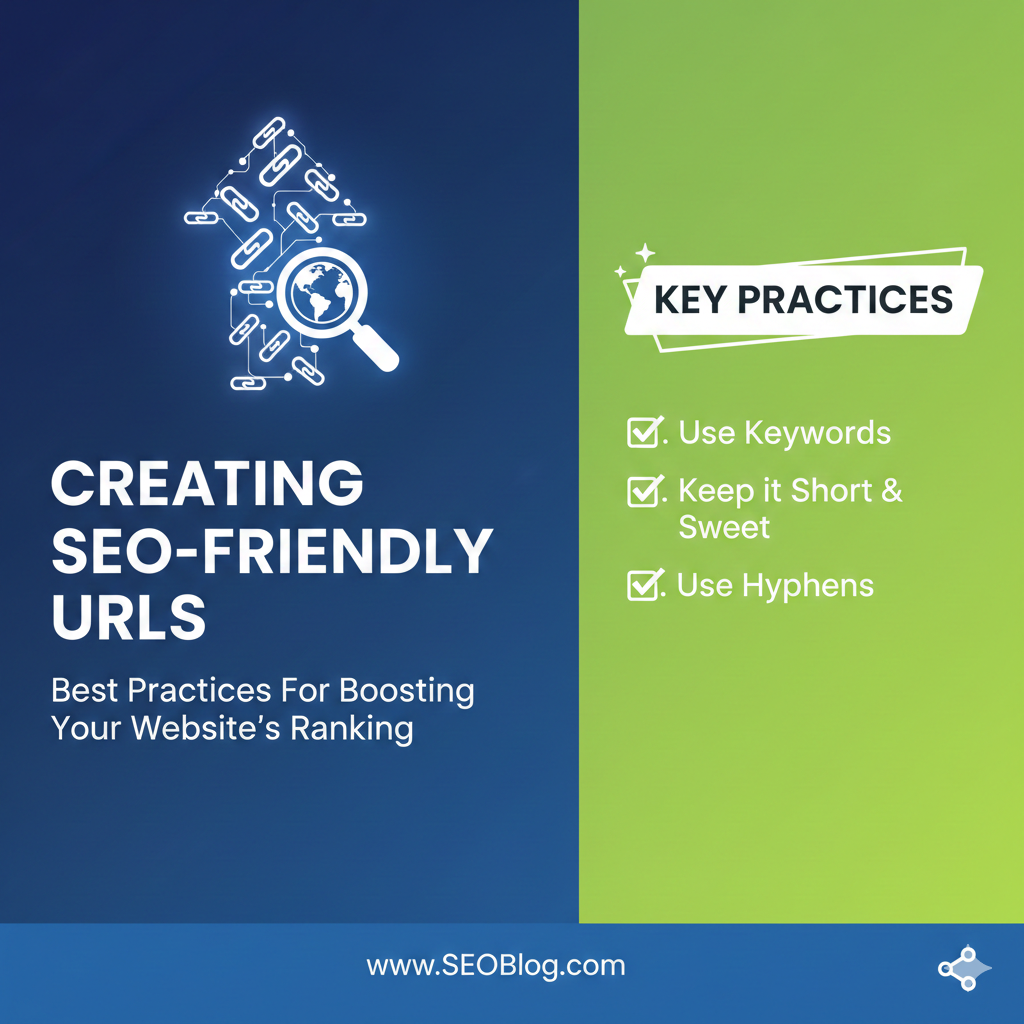
Let’S Be Honest—Urls Don’T Always Get The Attention They Deserve. Most People Focus On Content, Keywords, Or Backlinks, And Forget That A Clean, Well-Structured Url Can Quietly Do A Lot Of Heavy Lifting For Seo. I’Ve Seen Small Url Tweaks Make A Real Difference In Rankings, Click-Through Rates, And Even User Trust.
So, Let’S Break Down How To Create Seo-Friendly Urls That Both Search Engines And Humans Actually Like.
Why Seo-Friendly Urls Matter
A Good Url Tells Search Engines What Your Page Is About Before They Even Crawl The Content. At The Same Time, It Reassures Users That They’Re Clicking On Something Relevant And Trustworthy.
When Urls Are Clear And Optimized:
- Search Engines Understand Your Content Faster
- Users Are More Likely To Click
- Pages Are Easier To Share And Remember
In Short, Seo-Friendly Urls Improve Both Search Rankings And User Experience.
Keep Urls Short And Simple
Shorter Urls Tend To Perform Better. They’Re Easier To Read, Easier To Share, And Less Likely To Get Truncated In Search Results.
Bad Example:
Www.Example.Com/Blog/2024/07/12/How-To-Create-The-Best-Seo-Friendly-Urls-For-Your-Website
Good Example:
Www.Example.Com/Seo-Friendly-Urls
Simple, Clean, And Straight To The Point—That’S The Goal.
Use Keywords Naturally
Your Primary Seo Keyword Should Appear In The Url, But Don’T Overdo It. Think Of Urls As Headlines, Not Keyword Stuffing Zones.
For Example, If Your Page Is About Creating Optimized Urls, Using Creating-Seo-Friendly-Urls Makes Sense. Repeating Keywords Or Adding Unnecessary Words Just Makes The Url Look Spammy.
Search Engines Are Smart. Clarity Beats Cleverness Every Time.
Always Use Hyphens, Not Underscores
This One Is Easy To Miss. Search Engines Treat Hyphens As Word Separators, But Underscores Can Confuse Them.
Correct:
Seo-Friendly-Urls
Incorrect:
Seo_Friendly_Urls
If You Want Better Url Optimization, Stick With Hyphens—It’S A Small Change With A Real Impact.
Avoid Stop Words When Possible
Words Like And, Or, The, Of, And For Usually Don’T Add Much Seo Value. Removing Them Keeps Urls Shorter And Cleaner.
Instead Of:
Best-Practices-For-Boosting-Your-Website-Ranking
You Can Use:
Best-Practices-Boost-Website-Ranking
The Meaning Stays Intact, And The Url Looks Sharper.
Use Lowercase Letters Only
Mixing Uppercase And Lowercase Letters Can Cause Duplicate Url Issues, Especially On Certain Servers. From An Seo Best Practices Perspective, Lowercase Urls Are Safer And More Consistent.
Once A Url Is Indexed, Changing It Can Cause Ranking Drops—So It’S Better To Get This Right From Day One.
Avoid Special Characters And Numbers
Special Characters Like @, %, &, Or # Can Break Urls Or Make Them Harder To Crawl. Random Numbers Don’T Help Either Unless They’Re Genuinely Meaningful (Like A Product Id).
Clean Urls Improve Crawlability, Which Directly Affects Your Website Ranking.
Match Urls With Content Structure
Your Url Should Reflect Your Site’S Hierarchy. This Helps Both Users And Search Engines Understand Where The Page Fits.
Example:
Www.Example.Com/Blog/Seo/Seo-Friendly-Urls
This Structure Clearly Shows That The Content Belongs To A Blog And Focuses On Seo.
Don’T Forget About Redirects
If You Ever Change A Url, Always Use A 301 Redirect. This Ensures You Don’T Lose Existing Traffic, Backlinks, Or Seo Value. Broken Links Are Bad For Rankings And Even Worse For User Trust.
Final Thoughts
Creating Seo-Friendly Urls Isn’T Complicated, But It Does Require Intention. Think Clean, Think Clear, And Think Long-Term. A Well-Optimized Url Supports Your Content, Strengthens Your Seo Strategy, And Improves How Users Interact With Your Site.
It’S One Of Those Small Details That, When Done Right, Quietly Boosts Your Website’S Performance Without Screaming For Attention.