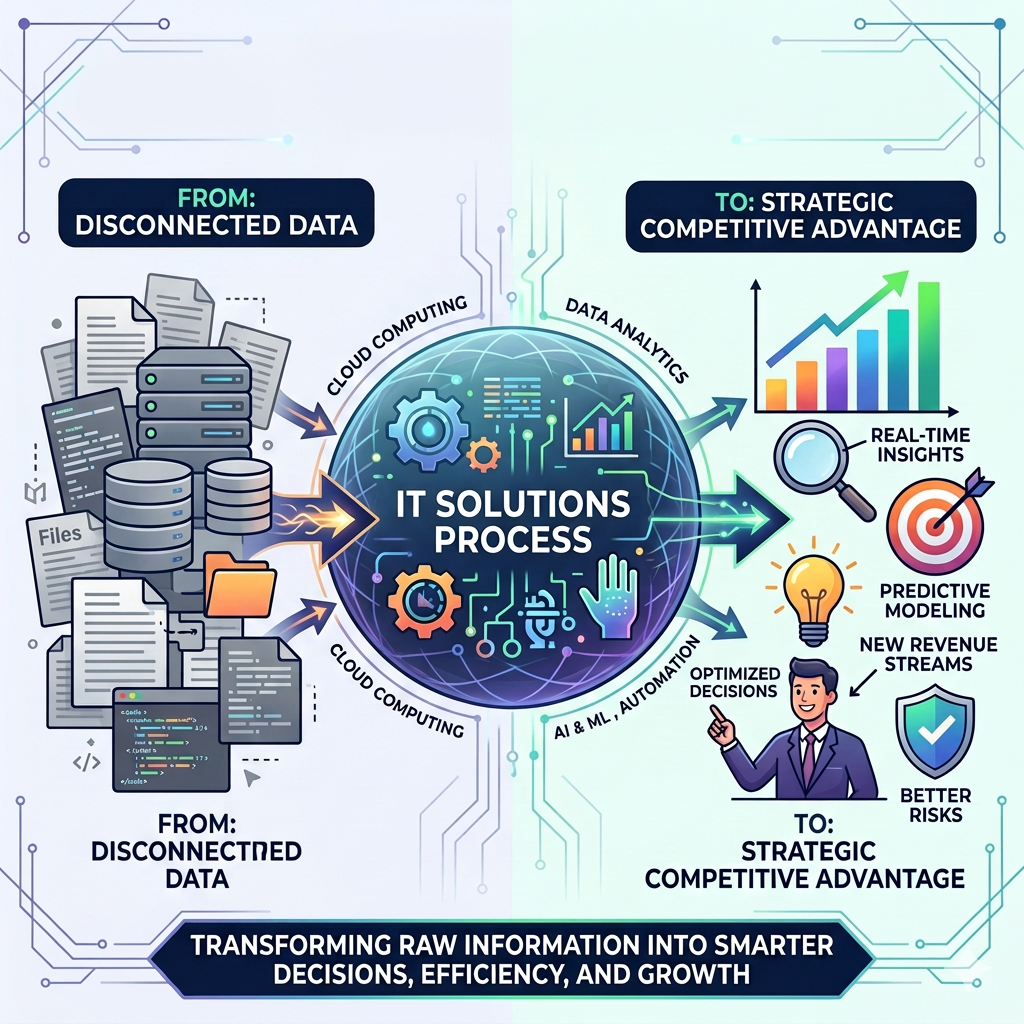
In the ever-evolving landscape of technology, businesses cannot afford to treat software development as a one-time event, because even the most sophisticated systems require ongoing care and optimization to maintain efficiency, security, and scalability, which is where Long-Term Support & Maintenance (LTSM) comes into play, providing a structured approach to ensure your digital assets remain robust, up-to-date, and aligned with your business objectives.
Long-Term Support & Maintenance is not merely about fixing bugs as they appear; it encompasses a proactive strategy that involves consistent monitoring, preventive measures, and continuous improvement to guarantee that your applications and systems perform reliably over their lifecycle, thereby reducing operational risks and unexpected downtime that could impact productivity and customer satisfaction.
Investing in Long-Term Support & Maintenance is an investment in the longevity, reliability, and adaptability of your software solutions. Businesses that prioritize ongoing care of their digital assets gain a competitive edge, achieve operational efficiency, and ensure that their systems can respond effectively to future challenges, while minimizing risk and cost over the software lifecycle. The approach combines technical expertise, strategic planning, and proactive monitoring to create a secure, high-performing, and future-proof software environment that supports business growth and innovation.
When organizations choose to embrace long-term support & maintenance, they are not just maintaining software; they are safeguarding business continuity, enhancing operational resilience, and preparing for sustainable growth in an increasingly digital world.

Prolite is an India-based employee experience and engagement company working at the intersection of people, culture, and performance. Known for designing high-impact employee-centric events, HR communication frameworks, and culture-driven engagement strategies, Prolite partners w…
Nefcon Systems Pvt. Ltd. is a Mumbai-based, leading technology solutions company known for delivering smart automation, electrical systems, and IT integration services across India and international markets. The company works extensively in both commercial and residential sectors, d…
Chavan Brothers, formerly known as Kamgar Masala, is a name deeply rooted in the cultural and culinary history of Mumbai. Founded in 1937 by Late Shri Vishnu Natha Chavan in Lalbaug (Girangaon), South Mumbai, the business began as a humble spice shop serving mill workers and local h…

Vision Corporation is a well-established name in the nutraceutical, cosmetic, and dietary supplements industry, with a strong legacy of over 25 years. Based in India and working closely with reputed multinational companies as well as leading Indian corporates, Vision Corporation …
Chavan Brothers, formerly known as Kamgar Masala, is a name deeply rooted in the cultural and culinary history of Mumbai. Founded in 1937 by Late Shri Vishnu Natha Chavan in Lalbaug (Girangaon), South Mumbai, the business began as a humble spice shop serving mill workers and local households with f…

Martand Masala is a Mumbai-based spice manufacturer and wholesaler established in 2020 as a women-owned proprietorship. Operating out of the Khar West area, the brand focuses on producing authentic, “gharguti” (homemade-style) spice powders and regional blends that are free from added preservatives…